
How Many Cruise Terminals Are There in Southampton?
Southampton has five cruise terminals, spread across two main port areas: the Western Docks and the Central Waterfront. Each terminal is designed to manage passenger embarkation and disembarkation efficiently, depending on vessel size and cruise schedules.
The Western Docks are home to Mayflower and Horizon Cruise Terminals, which typically handle larger cruise ships and high passenger volumes. The Central Waterfront area includes City, Ocean, and QEII Cruise Terminals, positioned closer to the city centre and main transport routes.
Cruise lines allocate ships to terminals based on operational needs, and terminal details are confirmed on booking documentation and travel notices. Understanding the layout of the Southampton cruise terminals helps passengers identify where they are heading and why checking terminal details in advance is an important part of pre-departure planning.
Mayflower Cruise Terminal
Mayflower Cruise Terminal is located within Southampton’s Western Docks and is one of the port’s most established terminals. It is designed to manage high passenger volumes and is commonly used for larger cruise vessels.
The terminal follows a structured embarkation flow, guiding passengers from arrival through luggage handling, security screening, and check-in before boarding. Its layout is designed to keep passenger movement organised, particularly on busy sailing days. Due to its scale and role within the Western Docks, Mayflower often operates alongside Horizon Terminal to support the port’s busiest departures.
Horizon Cruise Terminal
Horizon Cruise Terminal is a modern facility within the Western Docks, purpose-built to accommodate some of the largest cruise ships visiting Southampton. Its design focuses on handling high passenger numbers efficiently while maintaining a clear and controlled boarding process.
Access routes and entry points are arranged to manage traffic flow around the docks, particularly during peak embarkation periods. Horizon’s scale and infrastructure make it suitable for contemporary cruise operations, and it plays a key role in supporting Southampton’s position as a major UK cruise hub.
City Cruise Terminal
City Cruise Terminal is located closer to Southampton’s city centre and is part of the Central Waterfront area. Its position offers convenient access from main roads and transport links, making it a familiar departure point for many travellers.
The terminal typically handles mid-sized vessels and follows a straightforward embarkation process. Passenger movement through the terminal is designed to be clear and manageable, with a focus on steady flow rather than high-volume throughput. Its central location means surrounding port activity can be busier during embarkation times.
Ocean Cruise Terminal
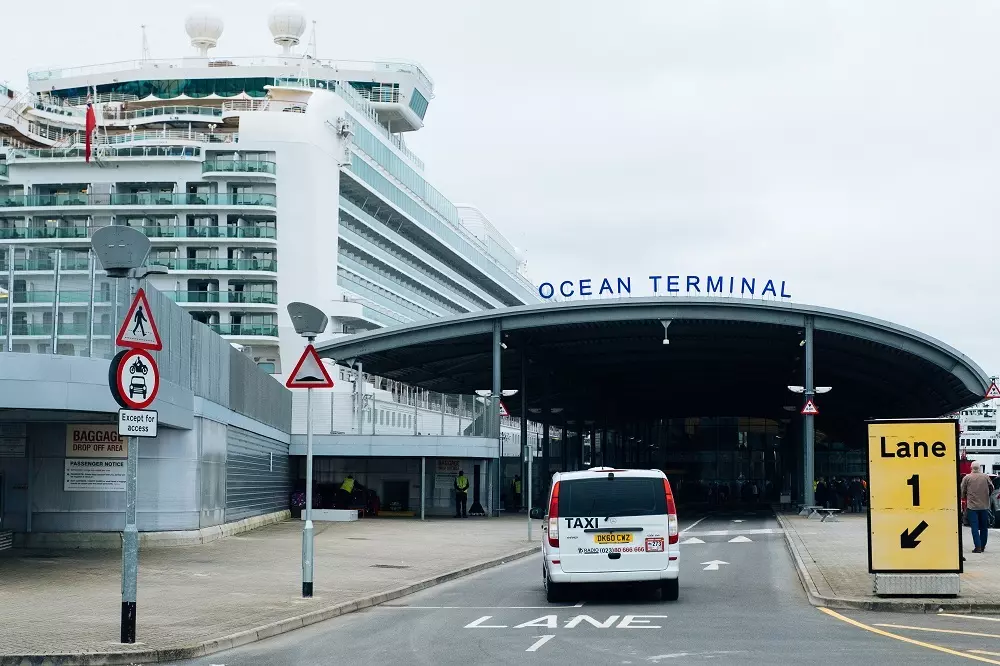
Ocean Cruise Terminal is situated along Southampton’s Central Waterfront, close to other port facilities and maritime infrastructure. It serves a range of cruise operations and is positioned to support efficient passenger access and ship turnaround.
The terminal operates independently while remaining part of the wider waterfront port area, which includes QEII Cruise Terminal nearby. Passengers using Ocean Terminal typically experience a structured check-in process, with clear signage guiding them through security and boarding stages.
QEII Cruise Terminal
QEII Cruise Terminal is located adjacent to Ocean Cruise Terminal along the Central Waterfront. It plays a complementary role within the port, handling cruise departures and arrivals when multiple vessels are scheduled on the same day.
Its proximity to Ocean Terminal allows port operations to be managed flexibly, ensuring smooth passenger distribution across facilities. QEII follows a similar embarkation flow to other Southampton terminals, focusing on controlled access, document checks, and orderly boarding procedures.
How to Know Which Southampton Cruise Terminal You Are Using
Passengers are informed of their assigned terminal directly by their cruise line. This information is typically displayed on booking confirmations, boarding passes, and pre-departure communications sent closer to sailing date.
Cruise lines may also update terminal assignments if operational requirements change, making it important to review the most recent travel documents rather than relying on earlier information. Confirming the terminal before arrival ensures passengers follow the correct route and arrive at the appropriate dock area without delay.