
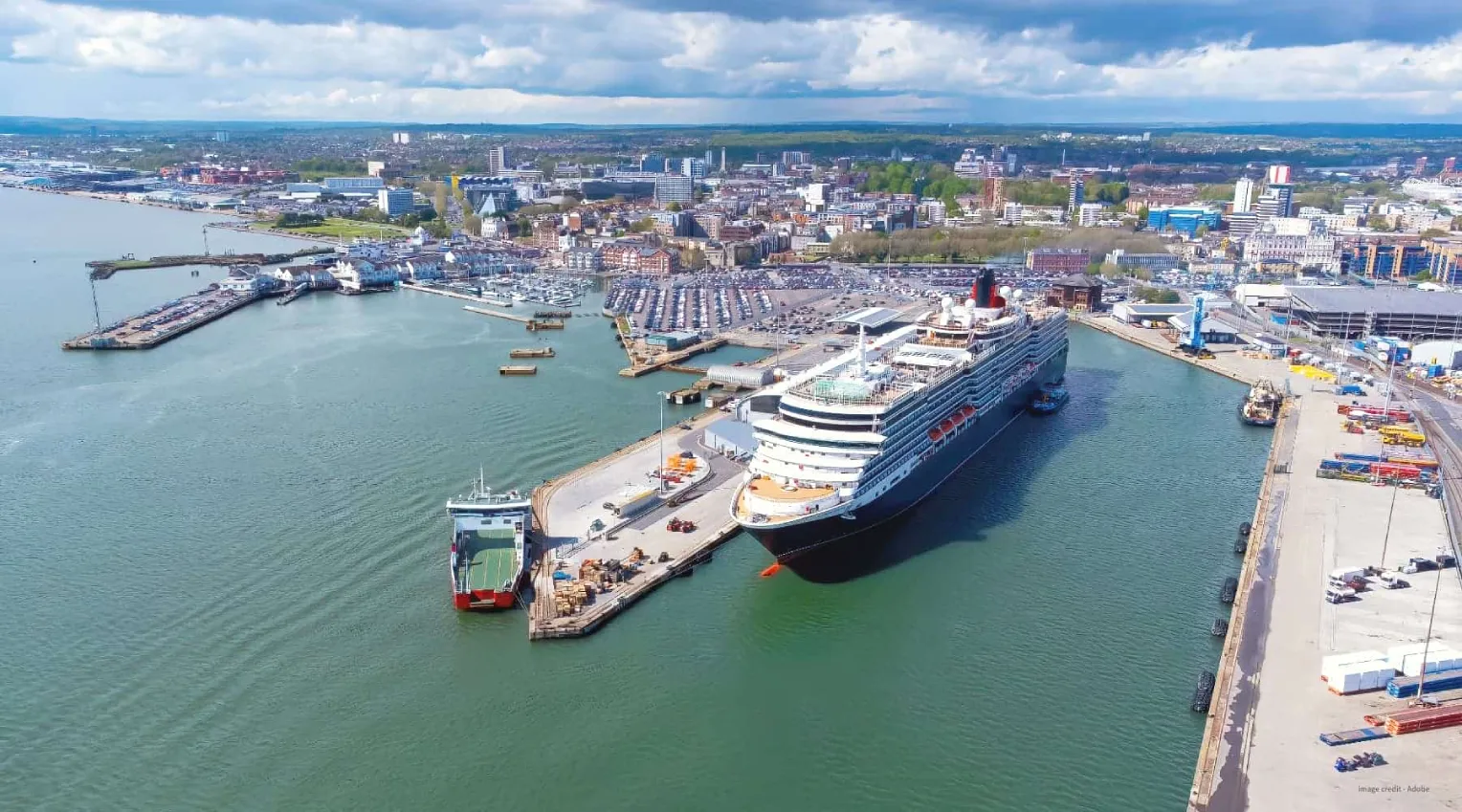
Southampton Cruise Terminals Overview
Southampton cruise operations are divided among five main terminals: City, Ocean, Mayflower, Horizon, and QEII. Each terminal accommodates different cruise lines and vessel types. Passengers do not select which terminal their ship will use; assignments are made solely by the cruise line based on scheduling and operational requirements. The official port authority manages terminal assignments at Southampton, Associated British Ports. Understanding the terminal assignment is important for parking planning, as it affects arrival timing, transfer requirements, and walking distances.
All terminals are equipped to manage standard passenger procedures such as check-in, luggage handling, and boarding. Being aware of your assigned cruise terminal before arrival allows you to plan the route, estimate travel time, and ensure that parking and transfers are arranged effectively.
Parking Options Available for Cruise Passengers
Passengers travelling to the port by car have a choice of parking arrangements, each designed to meet different needs. Understanding the available options helps plan arrival times, manage luggage, and ensure a smooth transfer to the ship. Broadly, parking falls into two categories: facilities located at the terminal itself and those situated off-site at nearby locations. Each option has practical advantages depending on convenience, distance, and transfer requirements.
On-Site Terminal Parking
On-site terminal parking is located at or immediately adjacent to the cruise terminal. It provides direct access to the check-in area, making it easier to manage luggage and reduce walking distance to the ship. The proximity of on-site parking often allows for faster boarding, particularly during peak periods. On-site parking prioritises convenience and immediate access, which can be beneficial for passengers travelling with families or large amounts of luggage.
Off-Site Parking
Off-site parking is situated further away from the terminals, often in nearby secure car parks or city-centre facilities. These options typically include a shuttle or transfer service to the terminal. While the distance to the terminal is greater, off-site parking can provide additional flexibility for timing and may reduce congestion around the terminal area. Off-site options can also include structured services such as staff-assisted luggage handling and organised transfers. Understanding these differences helps passengers select a parking approach that fits their travel plans.
How Parking at Southampton Cruise Terminals Works
The general process for cruise terminal parking Southampton is straightforward but requires some planning. Upon arrival at the port area, passengers locate their pre-booked parking space, whether on-site or off-site. For on-site parking, the vehicle is typically left close to the terminal building, allowing passengers to proceed directly to check-in with their documents and luggage. Off-site parking usually involves a brief shuttle transfer to the terminal; passengers should account for this additional time when planning arrival.
After parking, passengers check in with the cruise line, complete security and health screenings, and follow signage to the designated gangway for boarding. Timing is essential, particularly during peak departure days, as congestion at check-in counters or security checkpoints can delay the process. Allocating sufficient time for parking, transfer, and check-in ensures a smoother boarding experience and reduces stress on departure day.
Where Our Cruise Parking is Located
Our parking facility is centrally located within the city, providing convenient access for cruise passengers. The area is well-connected to the port and offers easy entry and exit routes, allowing travellers to plan their journey efficiently. Its location is practical for passengers using any of the main terminals, providing a reliable base from which to reach the ship. The parking area is designed with safety and accessibility in mind, offering a secure environment for vehicles and straightforward transfer options to the terminals.
Distance From Our Parking to Southampton Cruise Terminals
The distance from our parking facility to each cruise terminal varies slightly:
- Ocean Cruise Terminal: approximately 2.5 miles (4 km) – around 10 minutes by shuttle.
- Mayflower Cruise Terminal: approximately 2.7 miles (4.3 km) – around 12 minutes.
- Horizon Cruise Terminal: approximately 2.9 miles (4.7 km) – around 12–15 minutes.
- QEII Cruise Terminal: approximately 3 miles (4.8 km) – around 15 minutes.
These times are indicative and may vary slightly depending on traffic conditions. Allocating extra minutes for transfer and check-in is recommended to ensure a smooth boarding process.
Transport Options from Our Parking to the Cruise Terminal
Passengers departing from our facility have several transport options to reach their cruise terminal efficiently:
Shuttle service: Our dedicated shuttle transfers passengers directly from the parking area to the terminal entrance. This service is timed to align with peak check-in periods, minimising waiting times.
Taxi or drop-off: Passengers may also arrange for a taxi or drop-off at the terminal if preferred. The short distance ensures quick transfers and provides flexibility for those carrying heavier luggage or travelling in groups.
Traffic timing tips: Traffic around Southampton cruise terminals can be busier in the early morning and late afternoon. Travellers are advised to consider these periods when planning arrival to avoid congestion and ensure punctuality for boarding.
Common Parking Mistakes Cruise Passengers Make
Even experienced travellers can encounter issues when parking for a cruise. Some common mistakes include:
Arriving too late, which can create stress and risk missing the transfer or check-in window.
Not allowing sufficient time for shuttle or transfer services when using off-site parking.
Choosing unsecured parking, leaving vehicles at risk of damage or theft.
Failing to verify the assigned terminal in advance, which can lead to confusion and unnecessary delays.
Being aware of these potential pitfalls allows passengers to plan effectively and avoid unnecessary complications on departure day.